
Why does it take a day or two for muscle soreness to appear
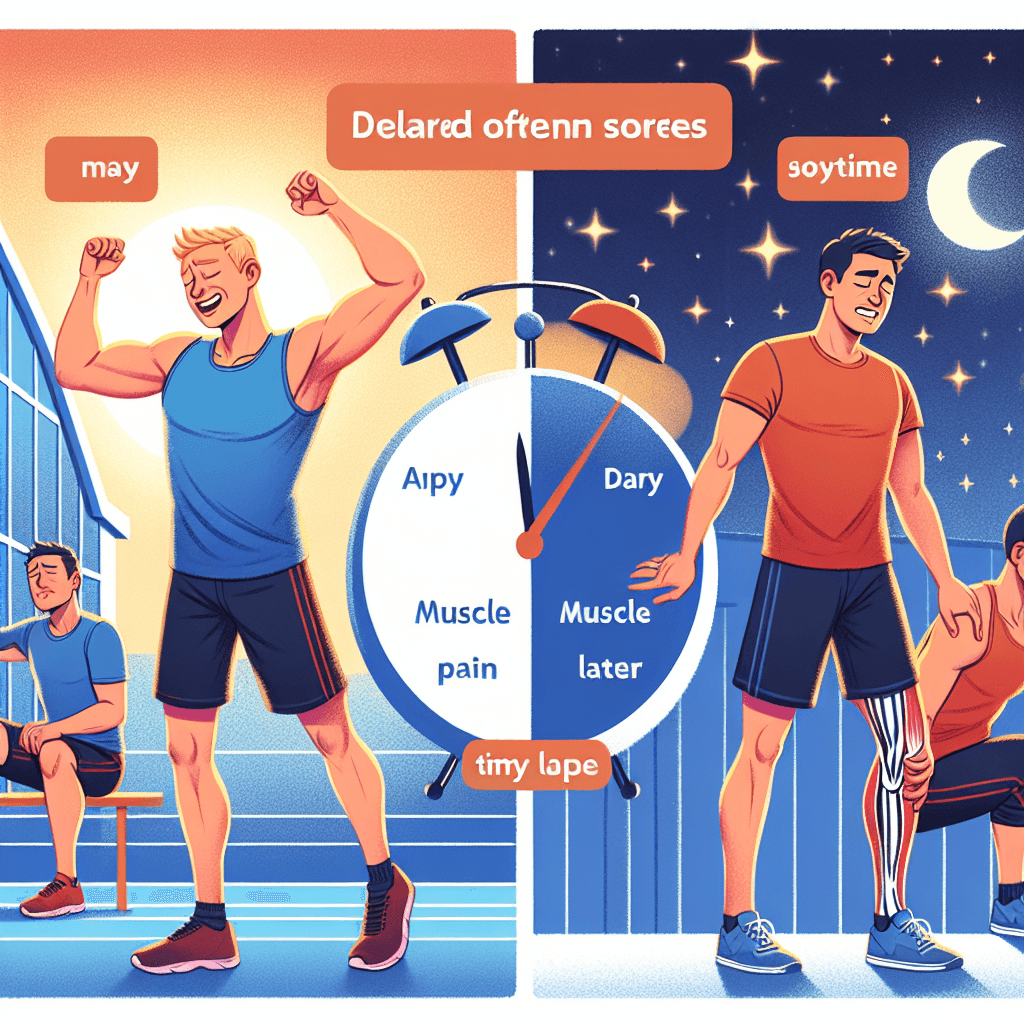
Ever wonder why you feel great right after a workout, only to be hit with major muscle pain a day or two later? We're diving into the fascinating biological reason your soreness is always fashionably late to the party.

Too Long; Didn't Read
TLDR: The soreness you feel after a workout is not the muscle damage itself, but the delayed inflammation and swelling from your body's repair process, which takes 24-48 hours to kick in.
The Mystery of DOMS: Why Does It Take a Day or Two for Muscle Soreness to Appear?
You crushed your workout. You pushed through that final set, left the gym feeling strong, and woke up the next morning feeling... surprisingly fine. You might even think you got off easy. But then, day two arrives, and suddenly, climbing the stairs feels like a monumental task and sitting down is an adventure in itself. This puzzling phenomenon, where muscle soreness peaks long after your workout, is a universal experience for fitness enthusiasts. But what’s happening inside your body during that 24-to-48-hour delay? This post will unravel the science behind this delayed reaction and explain why the ache takes its time to appear.
It's Not Your Average Soreness: Understanding DOMS
That post-exercise ache has a name: Delayed Onset Muscle Soreness (DOMS). It’s important to distinguish this from acute muscle soreness, which is the burning sensation you feel during exercise. That immediate burn is caused by a temporary buildup of metabolic byproducts and disappears shortly after you stop the activity.
DOMS, on the other hand, is the deep, tender, and often stiff feeling that typically begins 12 to 24 hours after a workout and peaks anywhere from 24 to 72 hours later. It’s most often triggered by:
- Starting a new exercise program.
- Increasing the intensity or duration of your usual workout.
- Performing eccentric exercises, which involve lengthening a muscle under tension (e.g., lowering a dumbbell, running downhill, or the downward motion of a squat).
For decades, the common belief was that a buildup of lactic acid was the culprit behind this next-day soreness. However, research has thoroughly debunked this myth. Lactic acid levels in your blood and muscles return to normal within about an hour of finishing your workout, far too quickly to be responsible for pain that shows up a day later.
The Real Culprit: A Two-Step Process of Damage and Repair
The delay in muscle soreness is not caused by a single event, but by a complex, two-part biological process. It’s all about microscopic muscle damage and your body’s powerful inflammatory response to repair it.
Step 1: Microscopic Muscle Tears
When you challenge your muscles in a new or intense way, you create tiny, microscopic tears in the muscle fibers and the surrounding connective tissues. This is a completely normal and necessary part of the muscle-building process. Think of it as controlled damage that signals your body to rebuild the muscle fibers bigger and stronger than before.
Crucially, these initial micro-tears don't cause immediate pain because there are very few pain receptors deep within the muscle fibers themselves. The initial damage is done, but your nervous system hasn't gotten the "pain memo" just yet.
Step 2: The Delayed Inflammatory Response
This is where the delay comes in. In response to the micro-tears, your body initiates a complex inflammatory cascade to clean up the damage and begin repairs. This process is not instantaneous; it takes time to ramp up.
Over the next 24 to 48 hours, your immune system sends a variety of cells and substances to the site of the injury. This includes:
- Immune cells (like neutrophils and macrophages): These cells act as a cleanup crew, clearing out damaged tissue.
- Pro-inflammatory substances (like prostaglandins and histamines): These chemicals increase blood flow to the area and make blood vessels more permeable.
This influx of fluid and cells causes swelling (edema) within the muscle compartment, which increases pressure on the surrounding tissues. More importantly, these inflammatory substances sensitize the nerve endings (nociceptors) located in the muscle's connective tissue. Once sensitized, these nerve endings fire off pain signals to your brain, resulting in the tenderness, stiffness, and ache we know as DOMS. This entire intricate, time-consuming repair process is why the soreness is delayed.
Conclusion: Embrace the Ache of Progress
The mystery of delayed muscle soreness is less a mystery and more a marvel of human biology. It isn't caused by lingering lactic acid but by a two-step process: initial, painless micro-damage to muscle fibers, followed by a time-consuming inflammatory response designed to repair and strengthen them. The soreness you feel is essentially the side effect of your body's meticulous cleanup and reconstruction project.
So, the next time that day-two soreness makes you wince, don't view it as a punishment for a good workout. Instead, recognize it as a clear biological signal that your body is adapting, repairing, and building a stronger, more resilient version of itself. It’s the feeling of progress, arriving fashionably late.


