
Why does string cheese peel apart into perfect strands
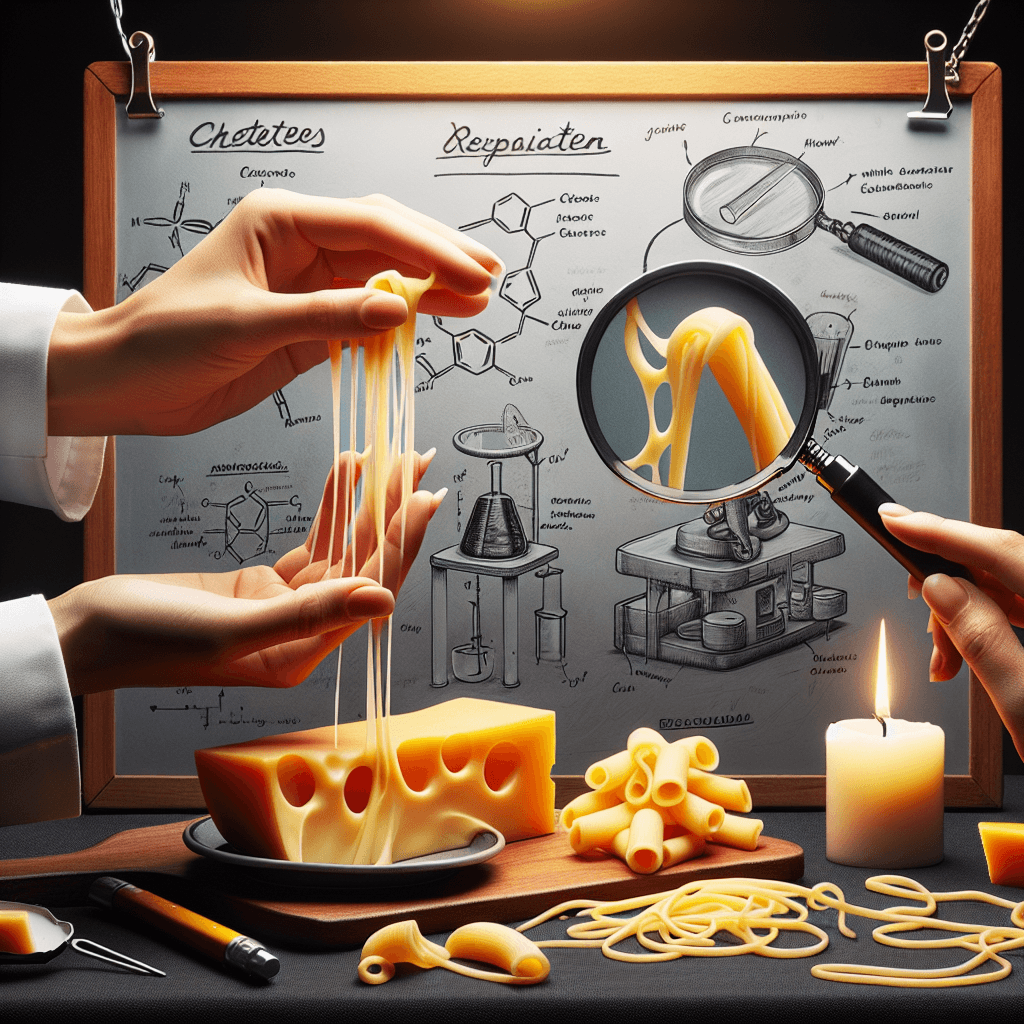
That perfect, satisfying peel isn't an accident; it's a delicious feat of food science that forces milk proteins to line up in a way you'd never expect.

Too Long; Didn't Read
TLDR: The process of making string cheese involves heating and stretching the milk proteins, forcing them to line up in the same direction. Peeling it just separates these already-aligned protein strands.
Unpeeling the Mystery: Why Does String Cheese Peel Apart Into Perfect Strands?
Have you ever paused mid-snack, a half-peeled stick of string cheese in hand, and wondered how it does that? It’s a lunchbox staple and a road trip hero, beloved for its mild flavor and, most importantly, its uniquely satisfying ability to be pulled apart into perfect, thread-like strings. This isn't a happy accident or a kitchen trick; it's a fascinating display of food science. The secret behind this snack's signature quality lies not in a special ingredient, but in the very specific way it’s made. This post will unravel the science behind the string, exploring the precise cheesemaking process that transforms milk proteins into the peelable delight we know and love.
The Foundation: It All Starts with Milk Proteins
Before we can understand the "string," we need to understand the cheese. At its core, all cheese is made from milk, and the key player in its structure is a protein called casein. In a glass of milk, casein molecules float around in microscopic clusters. When cheesemakers add rennet and culture, these casein molecules begin to link together, forming a tangled, random web that traps fat and water. This creates the initial solid mass known as cheese curds.
In most cheeses, like a block of cheddar, this web-like structure is pressed and aged, resulting in a firm but crumbly or sliceable texture. If you try to pull a piece of cheddar apart, it will break along unpredictable fault lines. For string cheese, however, the journey of these proteins is just getting started.
The Magic Step: The "Pasta Filata" Process
String cheese is a type of low-moisture mozzarella that belongs to a family of cheeses called pasta filata, an Italian term meaning "stretched curd" or "spun paste." This is where the magic happens, transforming the random protein web into an organized, linear structure. The process involves a few crucial steps.
Step 1: Heating the Curds
Once the curds are formed and separated from the whey, they are submerged in hot water, typically around 140-160°F (60-70°C). This hot bath doesn't cook the cheese but makes the casein proteins incredibly pliable and elastic. Think of it like warming a piece of plastic to make it bendable; the heat allows the protein structure to be reshaped.
Step 2: Kneading and Stretching
This is the most critical stage. The heated, pliable cheese curds are mechanically kneaded and stretched—over and over again. This action does something remarkable to the casein proteins. Instead of remaining in a tangled mess, they are forced to untangle and align themselves into long, parallel lines, much like combing tangled hair or stretching threads to form a rope. This physical realignment is the entire secret to string cheese. The proteins are now arranged in a uniform, linear direction.
Step 3: Cooling and Shaping
Once the proteins are perfectly aligned, the cheese is quickly cooled. This rapid cooling process "locks" the parallel protein structure into place. The cheese is then extruded and cut into the familiar stick shape. Crucially, the sticks are formed in line with the direction of the protein strands. When you peel a piece of string cheese, you aren't actually breaking the cheese; you are simply separating these pre-aligned protein fibers from each other.
Why Other Cheeses Don't String
The reason a block of cheddar or Swiss cheese won't peel into strings is that it never undergoes the pasta filata process. In cheddaring, for example, the curds are milled into small pieces, salted, and pressed together. This creates a dense, matted texture with no specific protein alignment. Trying to peel it is like trying to peel a brick—it will just crumble and break. The unique texture of string cheese is a direct result of that specific combination of heating, stretching, and cooling.
Conclusion
The next time you peel a stick of string cheese, you can appreciate the elegant food science behind it. That satisfying, string-by-string peel isn't just a fun feature; it's the visible evidence of milk proteins that have been heated, stretched, and meticulously aligned into parallel fibers. It’s a testament to how a simple physical process can completely transform the structure and texture of a food. Far from being a simple snack, string cheese is a perfect, and delicious, example of chemistry and physics at work in our kitchen.


