
Why is there a tiny metal ball rattling inside every bottle of nail polish
That satisfying rattle isn't just a sound—it's the single thing preventing your favorite nail polish from becoming a separated, clumpy disaster.

Too Long; Didn't Read
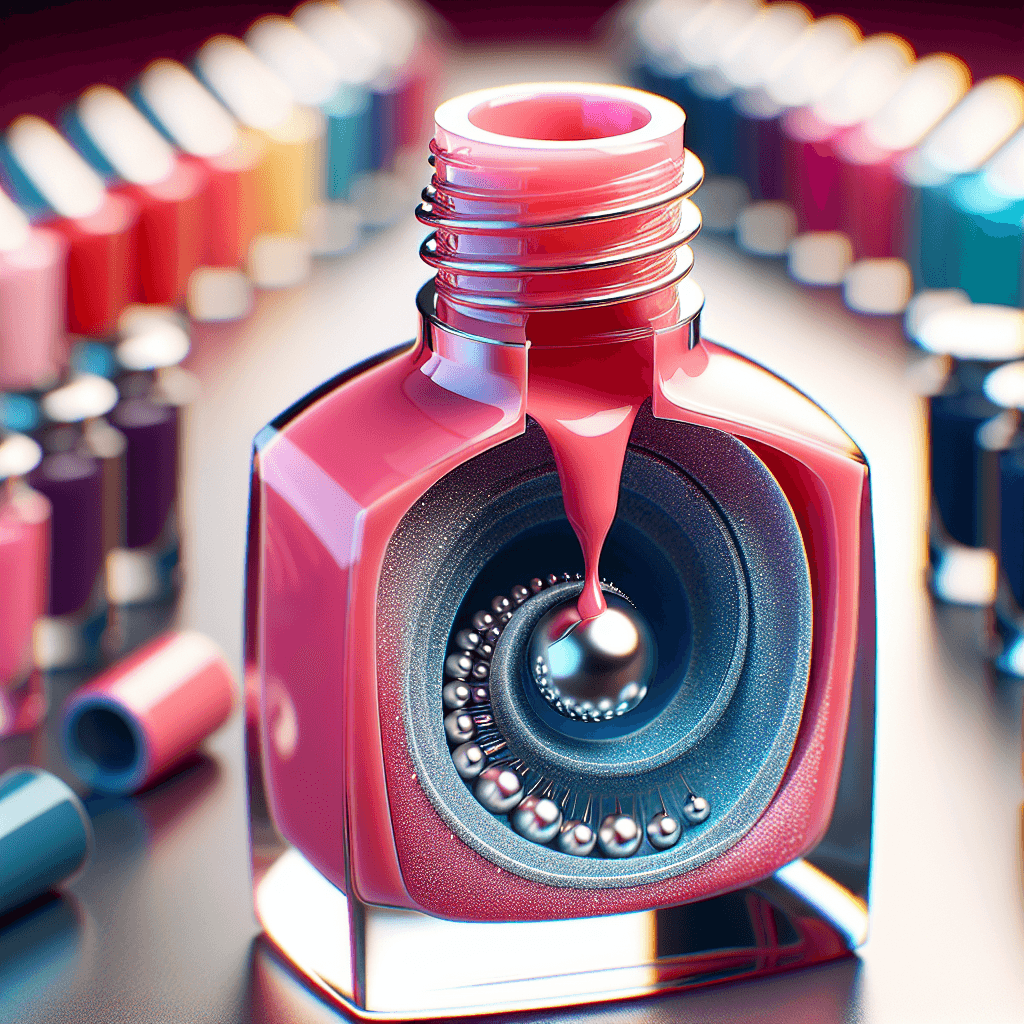
The metal ball is an agitator that helps remix the polish pigments that separate and settle over time, ensuring a smooth and even color when you shake the bottle.
The Secret Agitator: Why Is There a Tiny Metal Ball Rattling Inside Every Bottle of Nail Polish?
Pick up any bottle of nail polish, give it a shake, and you’ll hear it: that distinct, familiar rattling sound. It’s a noise so synonymous with a fresh manicure that we rarely stop to question its source. But have you ever wondered what’s making that sound, and more importantly, why it’s there? That tiny component, often overlooked, is not just a random piece of metal; it’s a crucial element of cosmetic chemistry. This small but mighty ball is the secret hero responsible for ensuring your nail polish applies smoothly, evenly, and with vibrant color every single time. This post will uncover the science behind this simple yet brilliant innovation, explaining exactly why that little ball is an essential part of every bottle.
The Science of Separation: Understanding Nail Polish Composition
Before we can appreciate the role of the metal ball, we must first understand what nail polish actually is. It’s not just a simple colored liquid; it’s a complex chemical formula known as a suspension. In a suspension, solid particles are dispersed and suspended within a liquid medium.
The primary ingredients in nail polish include:
- Pigments and Micas: These are the fine, solid particles that give the polish its color, shimmer, and opacity.
- Film Formers: Typically nitrocellulose, this ingredient creates the hard, smooth, and shiny film on your nail once the polish dries.
- Solvents: Chemicals like ethyl acetate or butyl acetate keep the polish in a liquid state inside the bottle. They are volatile, meaning they evaporate after application, allowing the film former to harden.
- Resins and Plasticizers: These add gloss, flexibility, and durability, preventing the polish from becoming brittle and chipping easily.
Because the pigments are solid particles and are denser than the liquid solvents, gravity inevitably takes its toll. Over time, these heavier color particles settle at the bottom of the bottle, leaving a layer of thin, translucent solvents on top. If you’ve ever picked up an old bottle of polish, you’ve likely seen this separation firsthand. Using a separated polish would result in a streaky, uneven, and poorly pigmented application.
Enter the Agitator: The Role of the Tiny Metal Ball
This is where our rattling hero comes in. The tiny metal ball inside the bottle is officially called an agitator bead or mixing ball. Its sole purpose is to counteract the natural process of separation.
When you shake the bottle, the agitator bead moves vigorously through the viscous liquid. Its weight and movement create turbulence, powerfully churning the contents and forcing the settled pigments from the bottom of the bottle to redisperse evenly throughout the solvent base. This action effectively remixes the formula, restoring it to its intended homogenous state.
Think of it as a tiny, built-in whisk. Without it, you would have to stir the polish with the brush for an extended period, which is not only inefficient but could also introduce air bubbles into the formula, leading to a bumpy finish on your nails. The agitator bead ensures a quick, effective mix, guaranteeing that the polish you apply to your nails has the consistent color and texture the manufacturer intended.
Not Just Any Ball: Material Matters
The agitator bead isn't just a random BB pellet thrown into the bottle. It is specifically chosen for its material properties to ensure it performs its job without compromising the quality of the polish. These beads are almost always made of stainless steel.
There are several critical reasons for this choice:
- Corrosion Resistance: Nail polish is a cocktail of potent chemicals. Stainless steel is highly resistant to rust and corrosion, so it won't break down or degrade while sitting in the solvent mixture for months or even years. A rusted ball would contaminate the polish, ruining its color and consistency.
- Chemical Inertness: Stainless steel is non-reactive. This means it won’t react with the pigments, polymers, or solvents in the formula, ensuring the nail polish's chemical integrity and stability remain unchanged.
- Density: It is heavy enough to sink to the bottom and has sufficient weight to effectively move through the thick polish, creating the force needed to mix the ingredients thoroughly.
While some brands may use glass beads, stainless steel remains the industry standard due to its superior durability and mixing efficiency.
Conclusion
The next time you prepare for a manicure and hear that familiar rattle, you'll know it’s more than just a sound—it's the sound of science ensuring a perfect application. That tiny stainless steel agitator bead is a simple yet ingenious solution to a fundamental chemical challenge. By remixing the pigments and solvents, it saves your favorite nail polish from becoming a separated, unusable mess. It is a testament to the thoughtful engineering that goes into even the smallest details of our favorite beauty products, proving that this little ball is the unsung hero of a flawless, vibrant, and long-lasting manicure.


