Why were ancient Roman cities filled with fast-food takeout counters
Forget lavish home-cooked banquets; most ancient Romans lived in cramped, kitchen-less apartments, forcing them to rely on a bustling, and surprisingly modern, street-food scene for every meal.

Too Long; Didn't Read
TLDR: Most Romans lived in small, cramped apartments that lacked safe kitchens, making cooking a dangerous fire hazard. It was easier, safer, and cheaper for them to buy hot, ready-made meals from the numerous street-side food stalls.
Grab-and-Go in Ancient Rome: Why Were Roman Cities Filled with Fast-Food Takeout Counters?
Picture a bustling city street, a worker grabbing a quick, hot meal on their lunch break. Are you thinking of modern-day New York or London? What if I told you this scene was just as common in ancient Pompeii or Rome? Far from a modern invention, the concept of fast food was a fundamental part of daily life for the average Roman. Roman cities were dotted with hundreds of small storefronts that served ready-to-eat meals to a population on the move. This blog post will explore the key architectural, social, and economic reasons why ancient Roman cities were filled with these fast-food takeout counters, revealing a fascinating aspect of urban life in the ancient world.
What Was a Roman "Fast-Food" Counter?
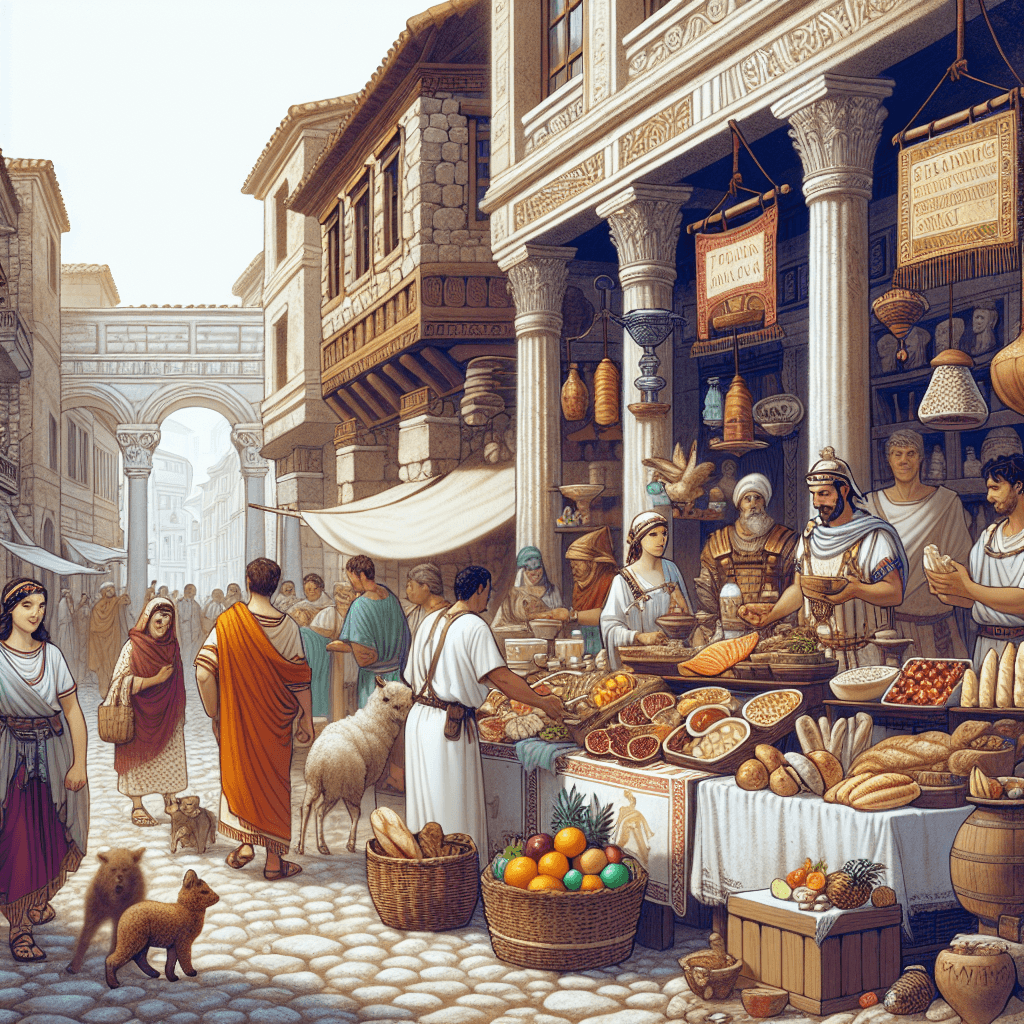
These ancient establishments were known as thermopolia (singular: thermopolium), which literally translates from Greek as "a place where something hot is sold." A typical thermopolium was a small, simple storefront that opened directly onto the street.
Their most recognizable feature was an L-shaped masonry counter, often decorated with marble slabs or painted frescoes. Embedded into this counter were several large, deep earthenware jars called dolia. These jars acted as ancient thermos containers, keeping pre-cooked hot food like stews, lentils, and porridge warm for customers. They also offered cold snacks like cheese, bread, olives, and nuts, along with drinks, most famously calda—a popular hot mulled wine. The food was cheap, convenient, and served to go, making these counters the beating heart of the Roman street-food scene.
The Kitchen-less Home: A Key Driver for Takeout
The primary reason for the proliferation of thermopolia was a simple matter of architecture and safety. The vast majority of the urban population in cities like Rome lived in crowded, multi-story apartment buildings called insulae. These apartment blocks were often poorly constructed from wood and brick and housed the working class and the poor.
Crucially, most of these small apartments lacked private kitchens. Cooking at home with an open fire in a cramped, flammable wooden structure was an extreme fire hazard. Given the constant threat of devastating fires—like the Great Fire of Rome in 64 AD—cooking was actively discouraged or simply impossible for most city dwellers. For these residents, eating out wasn't a luxury; it was a daily necessity. The thermopolium provided the essential service of a hot, cooked meal that people simply could not prepare safely at home.
Fueling the Empire: A Workforce on the Go
Roman cities were hives of activity, powered by a massive workforce of artisans, merchants, dockworkers, and laborers. These individuals worked long hours and needed quick, affordable, and calorie-dense meals to get through the day. Just like today's urban professionals grabbing a sandwich for lunch, a Roman craftsman would stop by the nearest thermopolium for a bowl of stew and a piece of bread.
The strategic placement of these counters throughout the commercial and residential areas of the city made them indispensable. Archaeological evidence from sites like Pompeii shows thermopolia on nearly every block, catering to the constant flow of people moving through the city. They were the engine that fueled the empire's urban workforce, offering sustenance that was both accessible and affordable.
Not Just for Takeout: The Social Scene
While their primary function was takeout, many thermopolia also served as important social hubs for the lower classes. The wealthy elite could afford spacious homes (domus) with elaborate kitchens and dining rooms to entertain guests. The common people, living in cramped insulae, had no such space.
Therefore, the thermopolium often doubled as a local tavern or pub. Many had a back room with seating where patrons could sit, eat, drink wine, and socialize. They became places to gamble, catch up on gossip, and conduct small-scale business. This also gave them a somewhat seedy reputation among the upper classes, who looked down on these establishments. However, for the average Roman, they were vital third spaces for community and connection outside of the home and workplace.
Conclusion
The ancient Roman fast-food counter was much more than a historical curiosity; it was a solution to the pressing needs of urban life. Driven by housing limitations that made home cooking dangerous and impractical, thermopolia became an essential service for the masses. They fueled a busy, mobile workforce and provided a crucial social outlet for the lower classes who lacked private spaces for gathering. So, the next time you grab a quick bite to eat on a busy day, remember that you’re participating in a tradition that is over two thousand years old, born from the very same demands of a bustling, hungry city.