
Why were tiny dried shrimp sold to kids as magical sea monkeys
It was the ultimate childhood bait-and-switch: a magical underwater kingdom promised in comic books that was, in reality, just a packet of dehydrated brine shrimp.

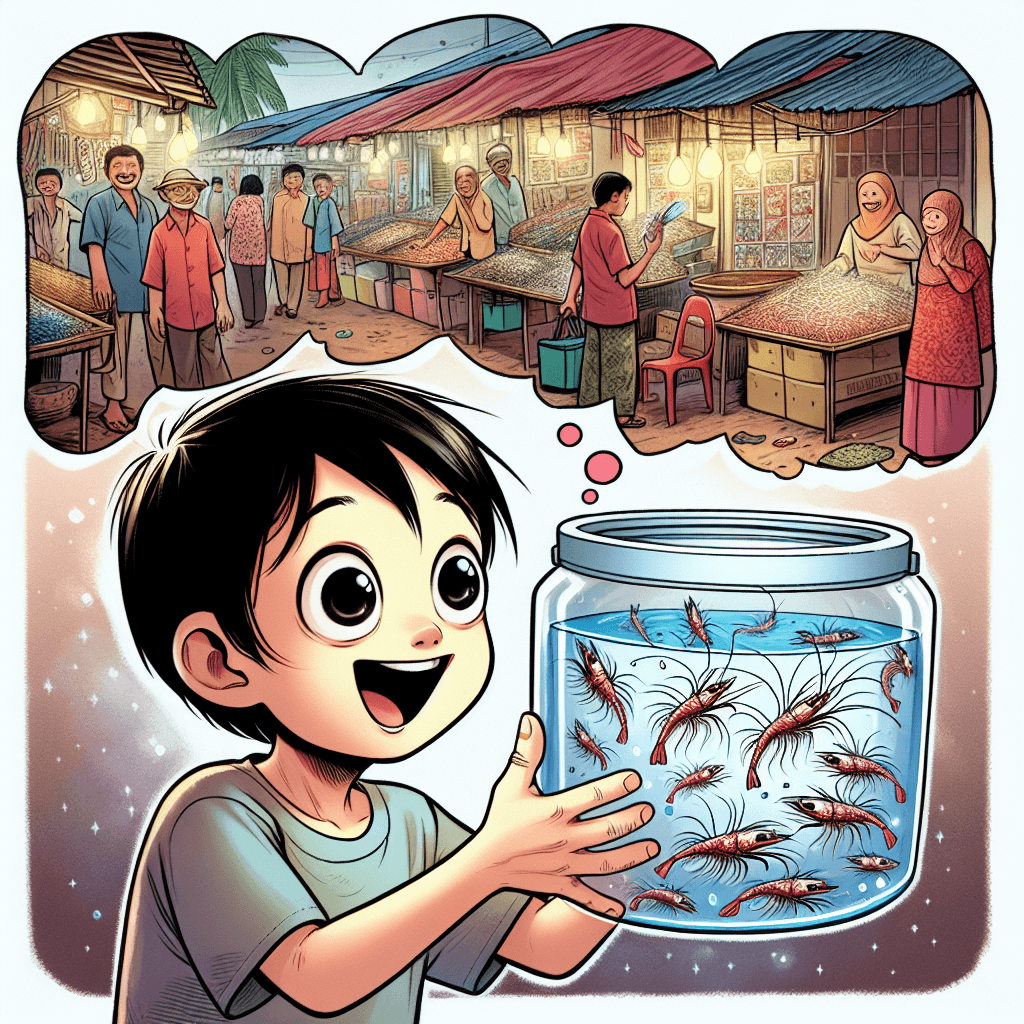
Too Long; Didn't Read
TLDR: It was a marketing masterstroke. Calling them magical Sea-Monkeys was far more appealing to kids than selling them as dried brine shrimp eggs. The magic was simply the science of cryptobiosis, where the dormant eggs hatch when added to water, creating an instant, low-maintenance pet.
The Salty Secret: Why Were Tiny Dried Shrimp Sold to Kids as Magical Sea Monkeys?
Do you remember those mesmerizing ads tucked into the back of old comic books? They promised a "bowlful of happiness" with just-add-water "Instant Life." The illustrations depicted a cheerful, crown-wearing family of humanoid sea creatures living in an underwater castle. For millions of kids, this was their first introduction to the magical world of Sea-Monkeys. But what if I told you these magical pets weren't monkeys, nor were they from some fantasy kingdom? They were, in fact, a tiny species of dried shrimp. So, why was this humble crustacean marketed with such fantastical flair? This post unpacks the brilliant science and marketing genius that transformed simple brine shrimp into an iconic pop culture phenomenon.
The "Magic" Ingredient: Unmasking the Brine Shrimp
The secret to the Sea-Monkeys' "instant life" wasn't magic, but a remarkable biological process called cryptobiosis. The creatures sold in those colorful packets are a hybrid species of brine shrimp known as Artemia NYOS, a name derived from the New York Ocean Science Laboratories where they were developed.
In their natural habitat of salty lakes, brine shrimp lay eggs, or cysts, that have an incredible survival mechanism. When the water dries up, the embryos within the cysts enter a state of suspended animation—cryptobiosis. In this dried, seemingly lifeless state, they can endure extreme temperatures and years of drought.
When you followed the instructions and poured the "Magic Crystals" into purified water, you were rehydrating these cysts. The "magic" was simply nature at its most resilient. This scientific marvel allowed inventor Harold von Braunhut to package and sell "life" in a pouch, ready to be awakened by a curious child.
The Genius of Harold von Braunhut: Marketing, Not Magic
While the biology was fascinating, the real reason Sea-Monkeys became a household name was due to the marketing wizardry of Harold von Braunhut. He understood that selling "brine shrimp" to kids wouldn't work. He needed to sell an experience, a story, and a fantasy.
A Name and a Story
Von Braunhut’s first masterstroke was the name. He dubbed them "Sea-Monkeys," claiming their long, flowing tails reminded him of a monkey's. This name was playful, memorable, and far more appealing than their scientific classification. He then commissioned artist Joe Orlando to create the iconic comic book ads. These illustrations were key to the product's success. Instead of showing the tiny, translucent shrimp, the ads featured:
- Humanoid Creatures: The Sea-Monkeys were drawn with smiling faces, human-like bodies, and even crowns.
- A Fantasy World: They lived in charming underwater castles, creating a narrative that kids could project onto their simple plastic tanks.
- The Promise of a Pet: They were marketed as trainable, playful pets who would perform tricks and fill your life with joy.
This fantastical branding set an expectation that reality could never match, but it was irresistible to a child's imagination.
From Comic Book Ad to Household Pet
The Sea-Monkey phenomenon was a perfect storm of clever marketing and accessible science. The product was successful for several key reasons:
- Low Cost and Accessibility: For just a dollar or two, any child with some pocket money could order a complete kit through the mail. It was an easy and affordable entry into pet ownership.
- The Thrill of Creation: The "just add water" process gave kids a sense of accomplishment. They weren't just buying a pet; they were "hatching" it and bringing life into the world.
- An Unintentional Science Lesson: Despite the fantasy packaging, Sea-Monkeys were a genuine educational toy. Children learned firsthand about life cycles, biology, and the responsibility of caring for a living creature. It was a science experiment disguised as a magical toy.
The vast difference between the illustrated fantasy and the reality of tiny swimming specks often led to a moment of childhood disappointment. Yet, the brand's power was so strong that many kids simply embraced the imaginative narrative, giving their tiny shrimp names and personalities.
Conclusion
So, why were tiny dried shrimp sold as magical sea monkeys? The answer lies in a brilliant fusion of biology and branding. The natural ability of brine shrimp to enter suspended animation provided the "instant life" hook, while Harold von Braunhut's marketing genius created a captivating fantasy that no child could resist. By naming them Sea-Monkeys and illustrating them as a whimsical underwater family, he transformed a common crustacean into a beloved, decades-spanning cultural icon. The legacy of Sea-Monkeys is a powerful testament to the fact that sometimes, the most effective magic is simply a great story, well told.


