Why do adult pet cats instinctively knead soft surfaces in a behavior retained from their nursing period as kittens
Ever wonder why your cat’s rhythmic "biscuit-making" feels so intentional? Uncover the fascinating biological link between this adorable adult habit and the primal comfort of their earliest kittenhood memories.

Too Long; Didn't Read
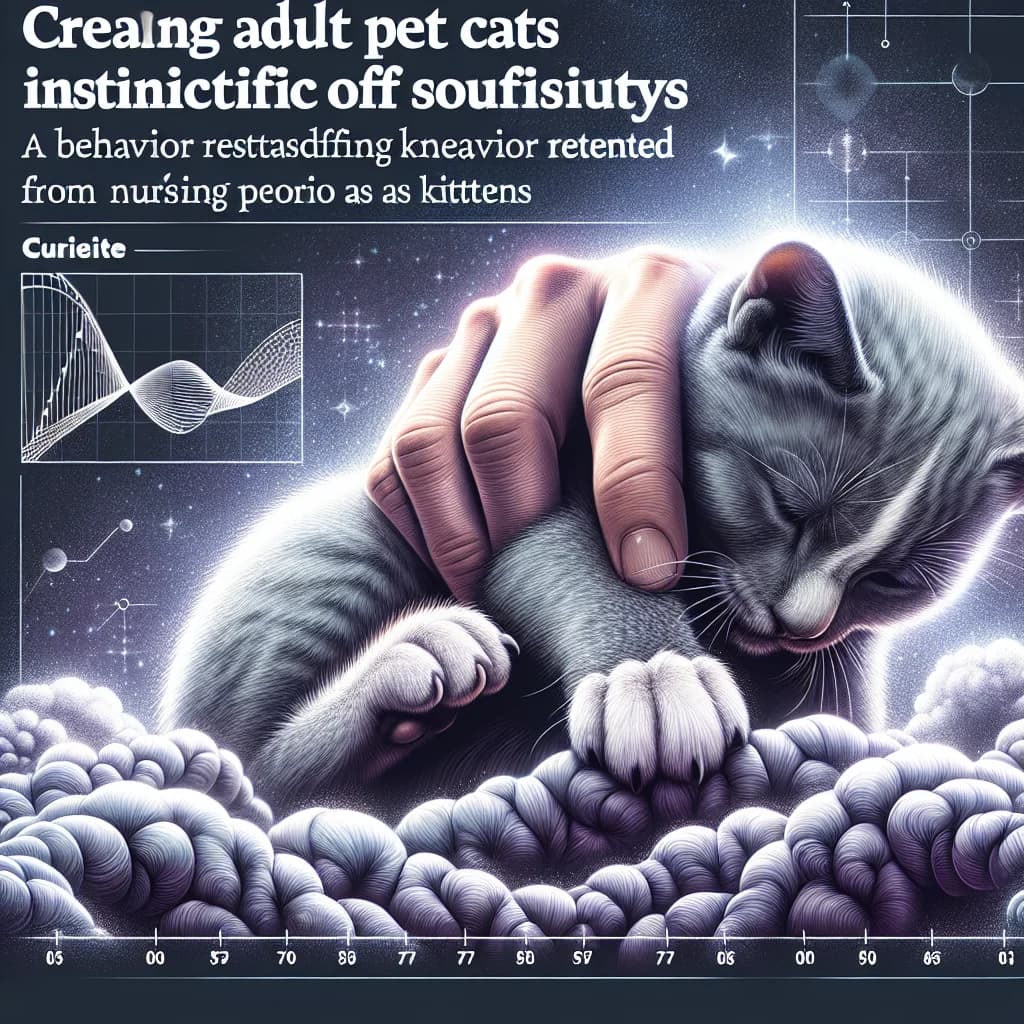
Adult cats knead soft surfaces as a comforting instinctual carryover from kittenhood, when the motion was used to stimulate a mother's milk flow. In adulthood, this behavior signals contentment, provides stress relief, and allows cats to mark their territory using scent glands in their paws.
The Science of "Making Biscuits": Why Do Adult Pet Cats Instinctively Knead Soft Surfaces?
Every cat owner is familiar with the rhythmic, hypnotic motion of a cat pushing its paws in and out against a soft blanket or a lap—a behavior affectionately known as "making biscuits." While it appears to be a simple quirk of feline companionship, this action, technically called "kneading," is a complex behavior rooted deeply in feline biology and evolutionary history. Kneading is one of the most prominent examples of a retained juvenile behavior, bridging the gap between a cat's earliest days in the litter and its adult life in a human home. Understanding why cats engage in this repetitive motion is essential for appreciating feline development and strengthening the human-animal bond. This post explores the biological origins, physiological benefits, and evolutionary purposes behind why adult pet cats instinctively knead soft surfaces.
The Biological Foundation: The "Milk Tread"
The primary origin of kneading lies in the neonatal period of a domestic cat’s life. Newborn kittens are born with an instinctive reflex to knead their mother's mammary glands while nursing. This rhythmic alternating of the paws, often referred to by behaviorists as the "milk tread," serves a vital biological function: it stimulates the release of oxytocin in the mother cat, which facilitates milk let-down and ensures the kitten receives essential nutrition.
In the wild and during early domestication, this behavior was a critical survival mechanism. While most juvenile behaviors fade as an animal reaches sexual maturity, kneading often persists in domestic cats. This phenomenon is known as "neoteny," where an adult animal retains juvenile physical or behavioral traits. Because domestic cats often view their human caregivers as surrogate parental figures, they continue to display these kitten-like behaviors well into adulthood.
Scent Marking and Territorial Communication
Beyond its origins in nursing, kneading serves a practical purpose in feline communication through the use of scent. Cats are highly territorial animals that rely on chemical signals to navigate their environment and establish a sense of security.
Felines possess specialized scent glands, known as interdigital glands, located between the pads of their paws. When a cat kneads a soft surface—be it a fleece blanket, a sofa, or a human’s lap—they are effectively "claiming" that object or person. The pressure applied during the kneading motion activates these glands, depositing unique pheromones onto the surface. For a cat, this creates a "scent map" of safety. This behavior communicates to other animals that the area is occupied and provides the cat with a comforting olfactory reminder that they are in a secure environment.
Evolutionary Roots: Preparing the Bed
From a zoological perspective, kneading may also be an ancestral vestige of wild feline nesting habits. Before the comforts of domestication, the ancestors of the modern house cat (such as Felis lybica) lived in environments where they needed to create safe spaces for sleeping or giving birth.
In the wild, cats would knead tall grass, leaves, or soft soil to:
- Flatten Vegetation: Creating a smooth, comfortable surface for resting.
- Check for Pests: Clearing away insects or snakes hidden in the undergrowth.
- Insulation: Tucking materials together to retain body heat.
Even though modern pet cats are provided with plush beds, the biological drive to "prepare the nest" remains hardwired into their neurological system.
The Role of Comfort and Stress Regulation
For the adult cat, kneading is frequently associated with a state of extreme relaxation or a desire for self-soothing. Veterinary behaviorists note that the action often triggers the release of endorphins—the body’s natural "feel-good" chemicals—in the cat’s brain.
- Positive Association: Because the motion is linked to the warmth and security of nursing, adult cats often knead when they feel safe and content.
- Stress Relief: Conversely, some cats may knead more frequently when they are feeling anxious, using the repetitive motion as a coping mechanism to lower their heart rate and calm their nervous system.
If a cat is purring, half-closing its eyes, or even "drooling" while kneading, it is a clear indicator of a high-arousal state of comfort and trust.
Conclusion
Kneading is far more than a charming feline habit; it is a sophisticated behavior that links the modern domestic cat to its evolutionary ancestors and its own developmental history. By retaining this "milk tread" reflex, adult cats demonstrate their comfort within their domestic environment and their unique bond with their owners. Recognizing that kneading is a combination of scent marking, ancestral nesting, and a search for nursing-level security allows owners to better provide for their cat's emotional and behavioral needs. As long as the behavior is not accompanied by signs of distress or skin irritation, it should be embraced as a sign of a happy, well-adjusted pet. If you notice a sudden, obsessive increase in kneading or other behavioral changes, consulting with a veterinary professional can ensure your feline companion remains in peak physical and mental health.