Why do pet cats possess a saggy belly flap called a primordial pouch even if they are not overweight
That swaying belly flap on your feline friend isn't a sign of overfeeding, but a secret evolutionary "superpower" hidden in plain sight. Discover the fascinating reasons why even the leanest cats carry this mysterious primordial pouch and how it once saved their ancestors' lives.

Too Long; Didn't Read
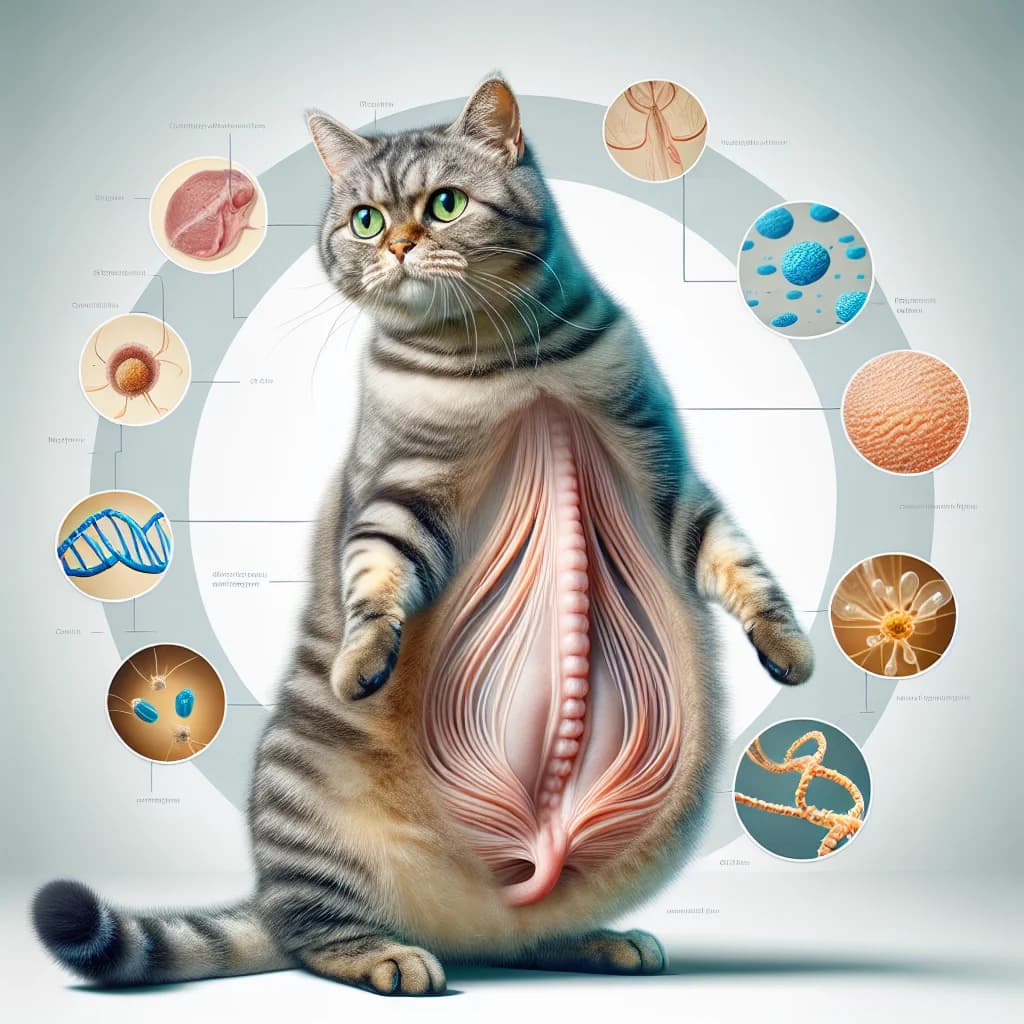
The primordial pouch is a natural excess flap of skin and fat found on a cat's underside, regardless of weight. It serves three main evolutionary purposes: protecting internal organs during fights, allowing the body to fully extend while running or jumping, and providing extra space for food storage.
Beyond the Belly: Why Do Pet Cats Possess a Saggy Belly Flap Called a Primordial Pouch Even If They Are Not Overweight?
Every cat owner has likely noticed it: that rhythmic, swinging flap of skin that sways from side to side as their feline companion trots across the room. While it might look like a sign of overindulgence or a "middle-age spread," this anatomical feature is actually a specialized structure known as the primordial pouch. Far from being a health concern, the pouch is a fascinating vestige of feline evolution that serves several critical biological functions. Understanding why do pet cats possess a saggy belly flap called a primordial pouch even if they are not overweight? is essential for any dedicated pet owner. It allows us to appreciate the complex history of our domesticated friends and helps us better monitor their physical condition. This blog post will delve into the science behind this unique trait, its evolutionary advantages, and how to distinguish it from clinical obesity.
What Exactly is the Primordial Pouch?
The primordial pouch is a layer of skin, fur, and a small amount of fatty tissue located along the length of a cat's underside. It is most prominent just in front of the rear legs. Despite its appearance, it is not a result of a cat being overweight or having undergone spay/neuter surgery—though these factors can sometimes make it more visible.
Biologically, the pouch is a normal part of feline anatomy. It is present in both males and females and is not restricted to domesticated breeds. In fact, many wild felids, including lions, tigers, and bobcats, possess this same feature. It usually begins to develop as a cat reaches physical maturity, around six months to one year of age.
Three Evolutionary Purposes of the Pouch
Zoologists and veterinary scientists have identified three primary reasons why felines evolved this extra flap of skin. Each serves a distinct survival advantage that was vital for the ancestors of the modern house cat.
1. Protection During Combat
Cats are solitary hunters but often engage in territorial disputes. During a fight, a common defensive maneuver involves "bunny kicking" with the powerful hind legs. The primordial pouch provides an extra layer of insulation and loose skin that protects the cat’s vital internal organs from the sharp claws and teeth of an opponent. Because the skin is loose, it can shift and move, absorbing the impact and preventing deep punctures to the abdominal cavity.
2. Maximum Extension and Agility
Felines are designed for explosive movement. Whether they are sprinting after prey or leaping to high surfaces, their bodies must be incredibly flexible. The primordial pouch acts like a "bellows" or an expansion joint. It provides the extra skin necessary for the cat to fully extend its body during high-speed running. This allows for a longer stride length, making the cat a more efficient and faster predator.
3. Capacity for Large Meals
In the wild, food sources are often unpredictable. Felines are opportunistic hunters that may go several days between successful kills. The primordial pouch allows the stomach to expand significantly when the cat finally secures a large meal. This "food storage" capability ensures they can consume as much energy as possible in one sitting, sustaining them through lean periods.
Distinguishing the Pouch from Feline Obesity
One of the most important aspects of understanding the primordial pouch is being able to distinguish it from excess weight. While the pouch is healthy and normal, feline obesity is a significant medical concern that can lead to diabetes, joint pain, and a shortened lifespan.
Pet owners can use the following evidence-based guidelines to tell the difference:
- The Swing Test: The primordial pouch is loose and sways easily when the cat walks. Fat deposits, on the other hand, are generally firmer and do not swing as freely.
- The Rib Check: When palpating (feeling) a cat with a primordial pouch, you should still be able to feel their ribs easily under a thin layer of muscle and skin. If you cannot feel the ribs without pressing firmly, the cat is likely overweight.
- The "Waist" View: Looking down from above, a healthy cat should have a visible indentation or "waist" behind the ribs. An overweight cat will have a rounded or "oval" silhouette from this perspective.
- The Location: The pouch is located low on the belly near the rear legs. Obesity typically presents as a general roundness across the entire midsection.
Genetic and Breed Variations
While almost all cats have some degree of a primordial pouch, certain breeds are known for having more prominent ones. For instance, the Egyptian Mau, the Bengal, and the Pixie-bob often have very distinct pouches. In some breed standards, such as the Egyptian Mau, the presence of the pouch is actually a requirement for show-quality cats, as it is considered a sign of the breed’s athletic heritage.
Conclusion
Understanding why do pet cats possess a saggy belly flap called a primordial pouch even if they are not overweight? reveals the incredible biological engineering behind our feline companions. This "saggy flap" is not a flaw, but rather a sophisticated survival tool inherited from wild ancestors to provide protection, mobility, and a flexible metabolism.
By recognizing the primordial pouch as a normal anatomical feature, owners can move past the misconception that their cat is simply "out of shape." Appreciating this trait encourages a deeper respect for feline biology and helps owners focus on more accurate markers of health, such as rib feel and activity levels. If you are ever uncertain about your cat’s weight or physical condition, a consultation with a veterinary professional is the best way to ensure your pet remains at their biological peak.