Why do astronauts return from spacewalks reporting that the vacuum of space smells like seared steak
Forget the scentless void—astronauts returning from the cosmos consistently report a surprising aroma of seared steak and hot metal. Discover the fascinating scientific reason why the final frontier smells more like a high-end steakhouse than empty space.


Too Long; Didn't Read
The scent results from polycyclic aromatic hydrocarbons, high-energy molecules created by dying stars that cling to spacesuits. When astronauts return to the station and repressurize, these particles mix with oxygen to produce a distinct metallic and burnt aroma similar to seared meat.
The Culinary Cosmos: Why Does the Vacuum of Space Smell Like Seared Steak?
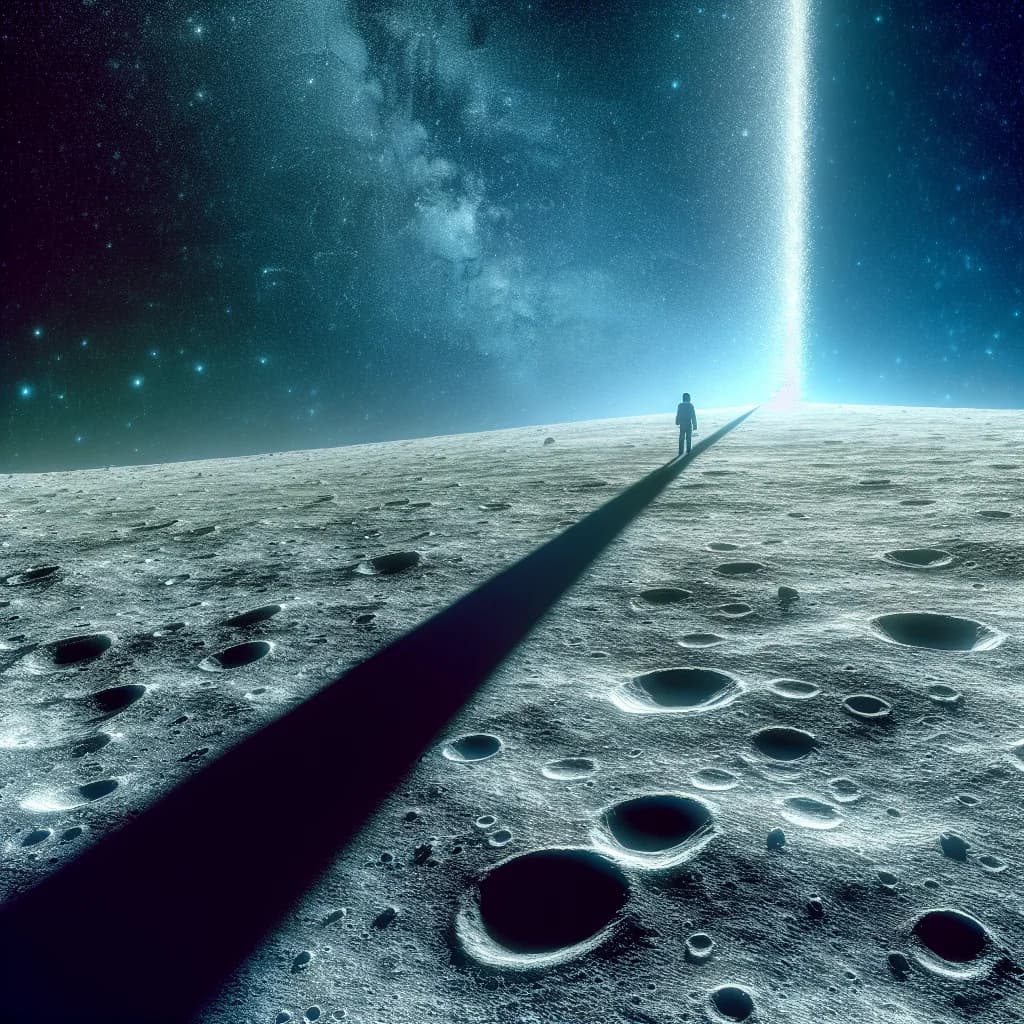
Imagine floating 250 miles above the Earth, tethered to the International Space Station (ISS) by nothing but a thin cable. You spend hours in the silent, freezing void, performing complex repairs. When you finally cycle back through the airlock and remove your helmet, you expect the sterile, recycled scent of a laboratory. Instead, your nostrils are filled with a pungent, savory aroma: charred meat, hot metal, and welding fumes. This isn’t a hallucination or a nearby barbecue; it is a documented phenomenon reported by nearly every astronaut who has ever stepped outside. How can a vacuum, which by definition contains nothing, possess such a distinct and heavy scent? To solve this mystery, we must look toward the intersection of high-energy physics, celestial chemistry, and the microscopic interactions occurring on the surface of an astronaut’s spacesuit.
The Mystery of the Space Suit Residue
Space is a vacuum, meaning it is devoid of the air molecules necessary to carry scents to our olfactory receptors. However, space is not truly empty. It is a soup of high-energy particles, solar wind, and stray molecules. When an astronaut performs an Extravehicular Activity (EVA), their suit and tools are bombarded by these elements.
The scent is not detected in space, but rather immediately after repressurization. When the airlock is filled with oxygen and nitrogen, the molecules that hitched a ride on the suit’s fabric are stirred up. Astronauts frequently describe this "space smell" as:
- Seared steak or savory roast.
- Acrid, hot metal.
- Welded fumes or ozone.
Polycyclic Aromatic Hydrocarbons: The Cosmic Soot
The primary chemical culprit behind the "interstellar barbecue" is a class of molecules known as Polycyclic Aromatic Hydrocarbons (PAHs). These organic compounds are formed during the life cycles of stars, particularly when stars are dying or exploding.
In terms of scale, PAHs are incredibly abundant; they are estimated to contain as much as 20% of the carbon in the galaxy. On Earth, we encounter PAHs every day. They are the byproduct of incomplete combustion, found in:
- Vehicle exhaust and soot.
- The charred bits on a grilled hamburger.
- Burning coal or wood.
Because these molecules permeate the vacuum between star systems, they float through the solar system and cling to the specialized fabrics of a pressurized spacesuit. When an astronaut returns to the ISS, these "cosmic soot" particles enter the cabin air. Because our brains associate these specific carbon structures with high-heat cooking, the olfactory system interprets the signal as "seared steak."
Atomic Oxygen and the "Burning" Sensation
While PAHs provide the savory notes, the "metallic" and "burnt" aspects of the scent come from the unique environment of Low Earth Orbit (LEO). At this altitude, the intense ultraviolet radiation from the sun splits standard diatomic oxygen (O2) into single atoms, known as atomic oxygen (O1).
This atomic oxygen is highly reactive. As the ISS orbits the Earth at speeds of approximately 17,500 miles per hour, it effectively "plows" through these stray oxygen atoms. When these atoms strike the surface of the spacesuit, they can cause a minor chemical reaction similar to oxidation.
When the airlock is repressurized, these highly reactive single atoms can bond with the newly introduced O2 to create ozone (O3), which has a sharp, electrical, or "metallic" smell. Furthermore, the collision energy of these particles hitting the suit at orbital velocities can create a "scorched" effect on the microscopic level, adding to the acrid, welding-fume aroma.
The Chemistry of Charring
The comparison to steak is scientifically apt because of the Maillard reaction—the chemical process that occurs when we cook food. This reaction produces a complex array of aromatic compounds, many of which share the same carbon-ring structures found in the PAHs of deep space. Essentially, the high-energy environment of a dying star and the high-energy environment of a kitchen grill are both "engines" for creating similar aromatic molecules.
Conclusion
The reporting of a "seared steak" smell in the vacuum of space is a fascinating example of how our terrestrial senses interpret the harsh physics of the universe. It is a combination of ancient galactic soot (PAHs) and the aggressive chemistry of atomic oxygen reacting with human-made materials.
Ultimately, this phenomenon serves as a poetic reminder that the universe is chemically connected. The same carbon-based molecules that flavor our meals on Earth are floating among the stars, waiting to be picked up by a passing traveler. While space may be a cold and inhospitable void, its unique scent bridges the gap between the vast, alien reaches of the cosmos and the familiar comforts of a backyard grill.