

Sci-Fi Articles
The real science behind the fiction — from warp drives to artificial intelligence.
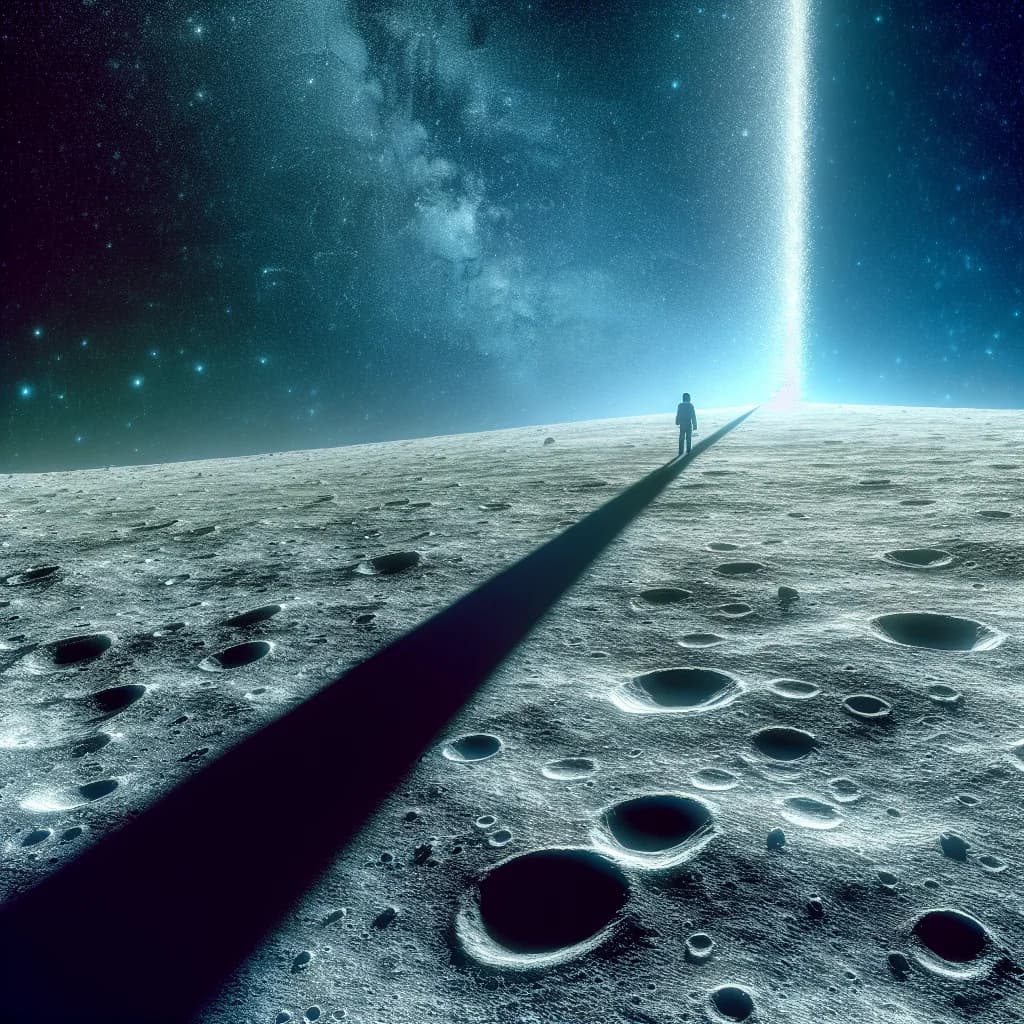
Why would your shadow travel faster than light if cast across the surface of the Moon?
Shadows and light spots can move faster than light because they are not physical objects with mass. When a light source is rotated, the point where the beam hits a distant surface like the Moon can sweep across the landscape at incredible speeds. This does not violate the laws of physics because no matter or information is actually traveling between those distant points; it is simply a sequence of separate photons hitting different locations in rapid succession.


Why can scientists see through a solid mountain using only naturally occurring cosmic rays
Scientists use muon tomography to image mountains by tracking subatomic particles called muons, which are created when cosmic rays strike the atmosphere. These high-energy particles can penetrate thousands of feet of solid rock, allowing detectors to map internal structures based on how many muons pass through, functioning much like a giant X-ray for the earth.
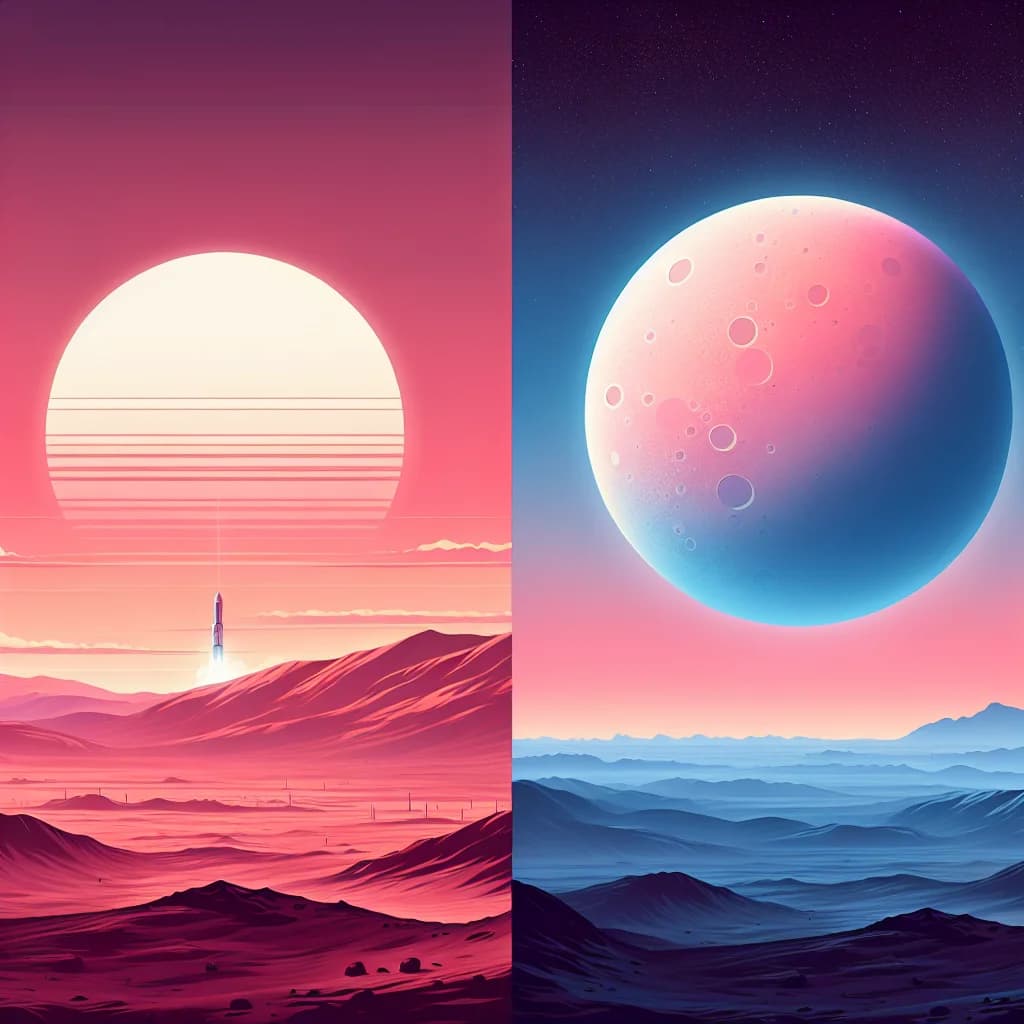
Why is the daytime sky on Mars pink while the sunsets appear a ghostly shade of blue?
On Mars, the daytime sky appears pink because fine iron-rich dust suspended in the thin atmosphere scatters red light. During sunset, the light must travel through more of the dusty atmosphere, which scatters blue light more effectively toward the observer, resulting in a ghostly blue glow around the sun.
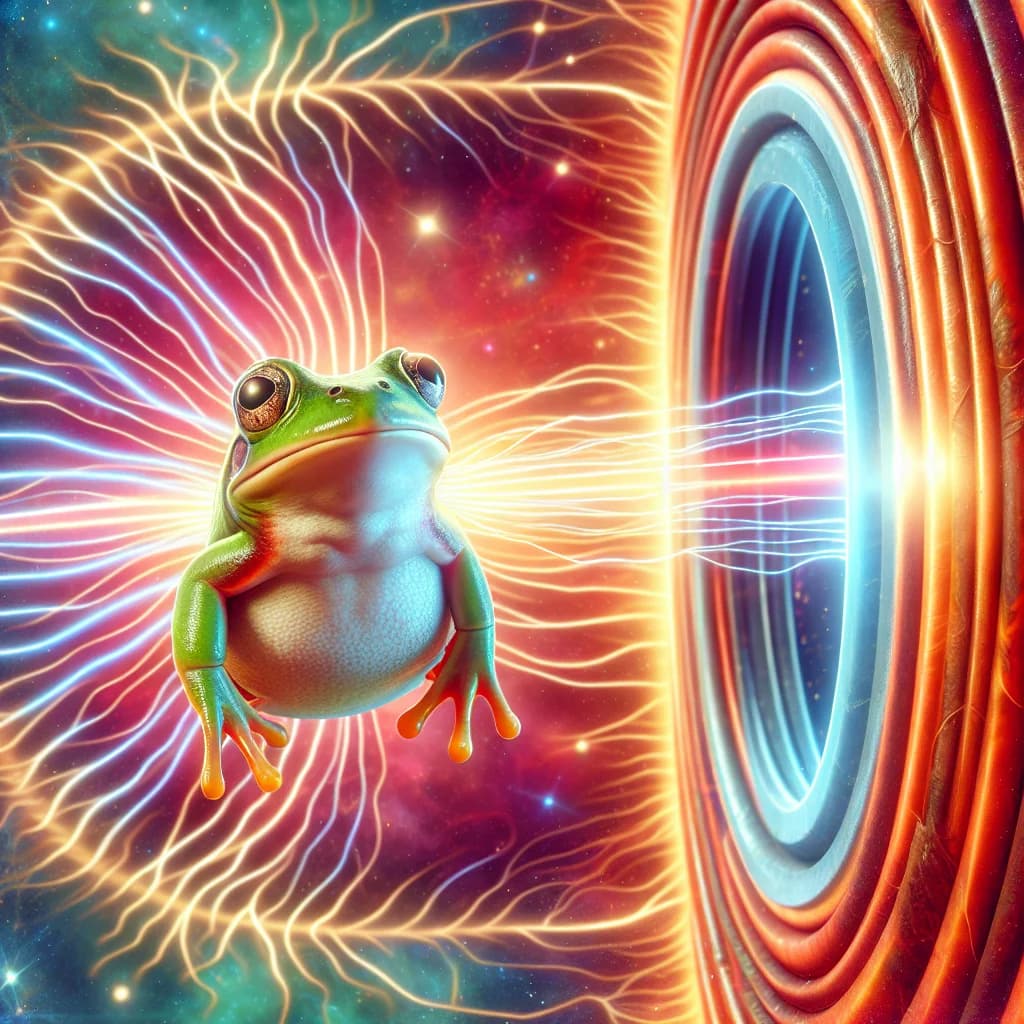
Why would a living frog float in midair when placed inside a sufficiently powerful magnetic field?
Frogs can levitate because they are mostly made of water, a diamagnetic material. In an extremely strong magnetic field, the frog's atoms create a weak opposing magnetic field that generates an upward force. When this force is strong enough to counteract gravity, the frog floats safely in midair.
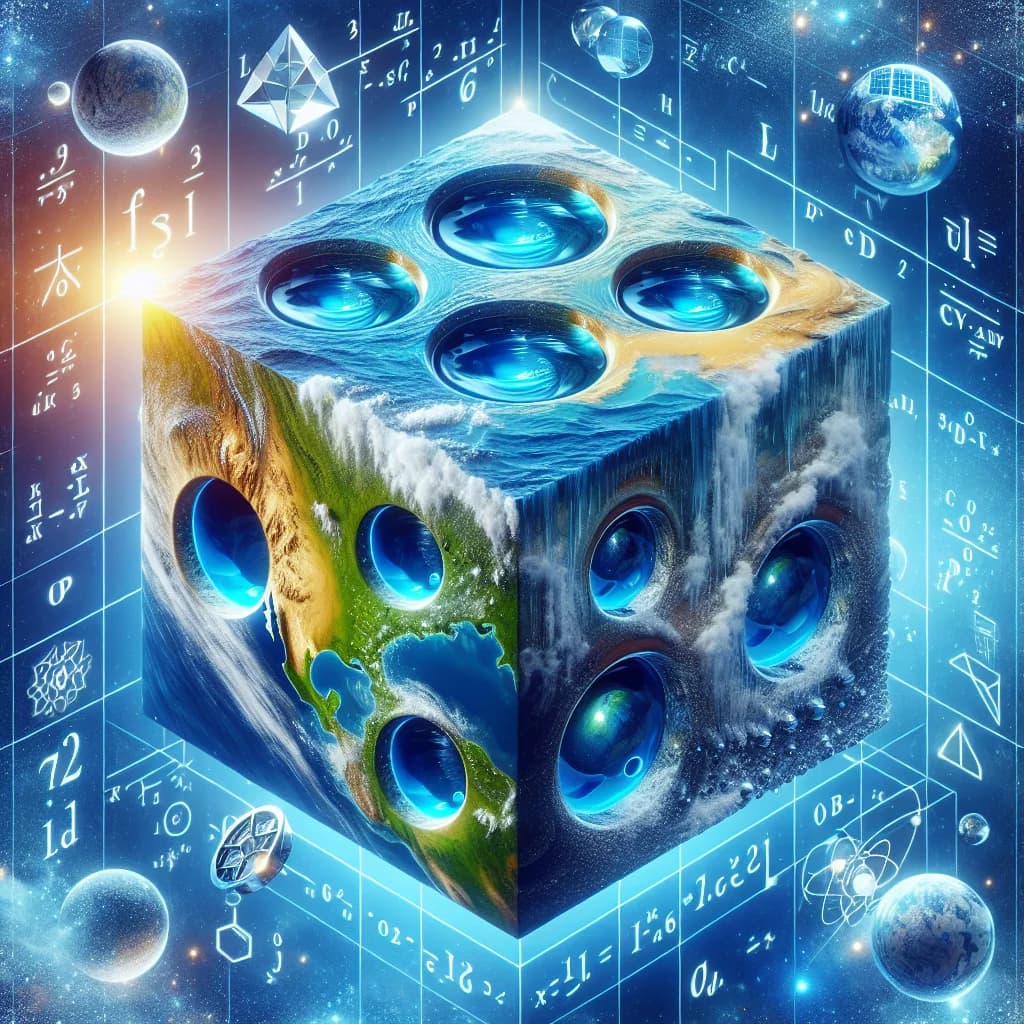
Why would all the water on a cube-shaped Earth pool into six giant circular lakes at the face centers
Gravity pulls toward the center of mass, making the centers of the six cube faces the lowest points of elevation. Because the corners and edges are significantly further from the core, they act as massive mountain ridges, forcing all water to drain into six distinct circular basins at the midpoint of each side.
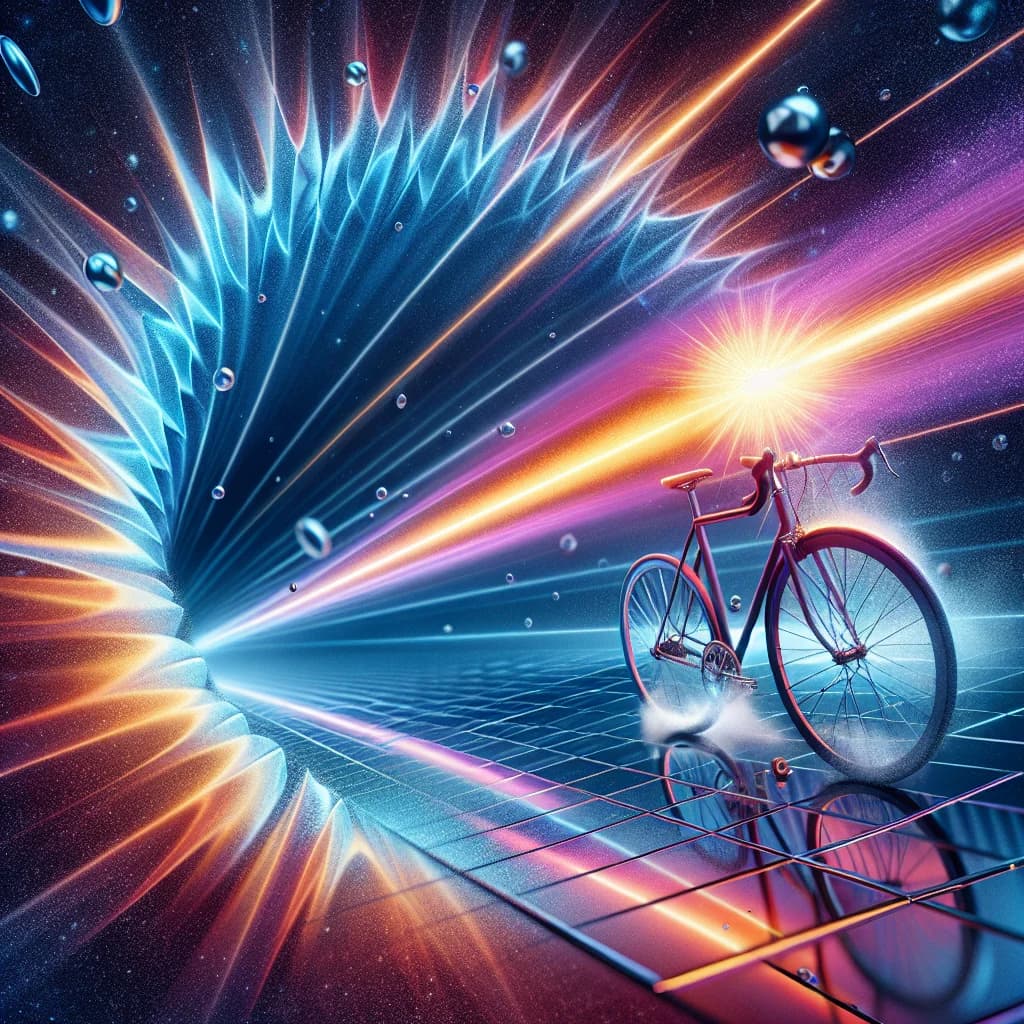
Why would a beam of light slow to the speed of a bicycle while passing through ultracold atoms?
When light enters a cloud of ultracold atoms known as a Bose-Einstein condensate, researchers use a second laser to create electromagnetically induced transparency. This process drastically changes the medium's refractive index, causing the light pulse to interact heavily with the atoms and compress, resulting in a massive reduction in its group velocity.