Why do pet dogs and cats possess unique nose prints that are as distinct as human fingerprints
Your pet’s nose is more than just a treat-detector; it’s a biological masterpiece as unique as a human fingerprint. Discover the fascinating science behind these one-of-a-kind "nose prints" and the hidden identity your furry friend has been carrying right on their snout.

Too Long; Didn't Read
Just like human fingerprints, dogs and cats have unique nose prints due to distinct patterns of ridges and creases formed in the womb. These textures remain unchanged throughout their lives, making them a permanent and reliable method for individual identification.
Nature’s Biometric Signature: Why do pet dogs and cats possess unique nose prints that are as distinct as human fingerprints?
Every pet owner is familiar with the cold, damp "boop" of a canine or feline nose. While we often view these wet snouts simply as tools for sniffing out treats or greeting friends, they are actually sophisticated biological identifiers. Just as humans carry unique dermal ridges on their fingertips, our animal companions possess a complex arrangement of ridges, pits, and valleys on their noses. This begs a fascinating biological question: Why do pet dogs and cats possess unique nose prints that are as distinct as human fingerprints? Understanding the science behind these biometric markers not only deepens our appreciation for animal physiology but also highlights significant advancements in animal welfare and identification technology. This post explores the anatomy, developmental biology, and practical utility of the unique "nose print."
The Anatomy of the Rhinarium
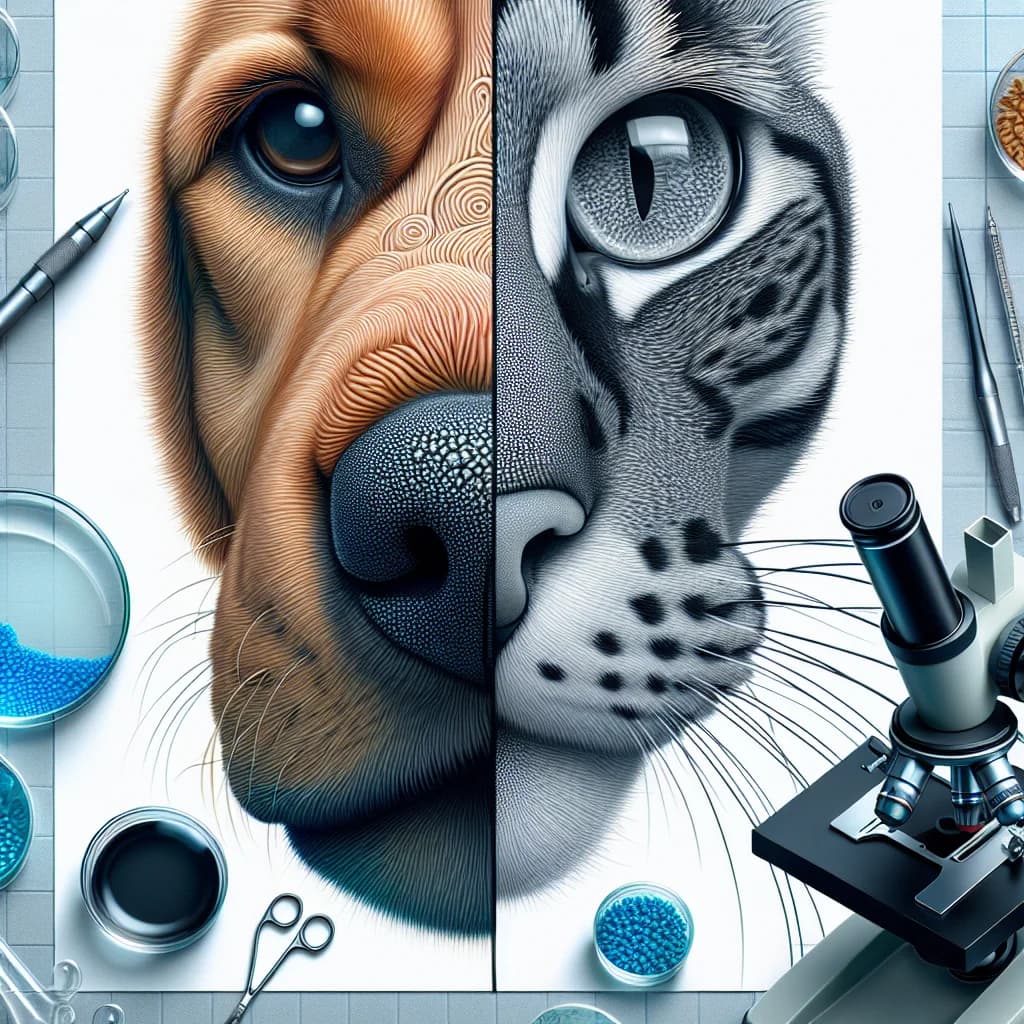
To understand the uniqueness of a nose print, one must first understand the structure of the rhinarium. The rhinarium is the moist, hairless skin surrounding the nostrils of most mammals. In dogs and cats, this area is covered in a specialized pattern of skin ridges known as "nose leather."
Biologically, these patterns are formed by the distribution of sweat glands and the specific folding of the epidermis. While the primary function of the rhinarium is sensory—facilitating the sense of smell by trapping scent molecules in a thin layer of moisture—the physical architecture of the skin is what creates the individual signature. Veterinary anatomy confirms that the arrangement of these microscopic grooves and elevations remains permanent throughout an animal's life, barring significant scarring or injury.
The Science of Uniqueness: Embryonic Development
The reason why pet dogs and cats possess unique nose prints that are as distinct as human fingerprints lies in the process of dermatoglyphics (the study of skin patterns). Much like human fingerprints, nose prints are "phenotypic" traits influenced by a combination of genetics and environmental factors during gestation.
- Genetic Blueprint: While an animal's DNA provides the general template for the skin structure, it does not dictate every minute ridge.
- Intrauterine Environment: During embryonic development, the specific pressure of amniotic fluid, the position of the fetus in the womb, and the growth rate of the skin layers all contribute to the final pattern.
- Randomized Patterning: Because these mechanical forces are slightly different for every individual—even between identical littermates—no two nose prints are ever exactly the same.
Historical and Modern Identification
The recognition of nose prints as unique identifiers is not a new concept. In fact, the Canadian Kennel Club has accepted nose prints as a form of identification since the late 1930s.
Nose Prints vs. Microchips
While microchips are the current gold standard for pet recovery, nose prints offer several distinct advantages:
- Non-Invasive: Unlike microchipping, which requires a needle, a nose print can be captured through a simple photograph or ink impression.
- Unalterable: While microchips can occasionally fail or migrate within the body, the physical structure of the rhinarium is a permanent biological fixture.
- Digital Innovation: Recent developments in AI and smartphone technology have led to the creation of apps that allow owners to register their pet’s nose print in a digital database, facilitating the return of lost animals without the need for a chip reader.
Functional Benefits of the "Nose Print" Structure
Beyond identification, the unique topography of the nose serves a functional purpose in the animal’s daily life. The complex network of grooves helps to spread and retain moisture. For dogs and cats, a moist nose is essential for thermoregulation and olfactory acuity. By trapping moisture, the ridges ensure that scent particles are dissolved and directed toward the olfactory receptors, enhancing their ability to navigate their environment.
Conclusion
The discovery that our pets carry a unique biometric signature on their snouts is a testament to the complexity of animal biology. Why do pet dogs and cats possess unique nose prints that are as distinct as human fingerprints? It is the result of a delicate dance between genetic instructions and the physical environment of the womb, creating a sensory tool that is as functional as it is individual.
Recognizing the uniqueness of these prints underscores the importance of utilizing diverse methods for pet identification and welfare. As technology continues to evolve, these natural "fingerprints" may become even more vital in ensuring the safety and security of our animal companions. For pet owners, it serves as a reminder that every dog and cat is a truly one-of-a-kind individual, right down to the tip of their nose.